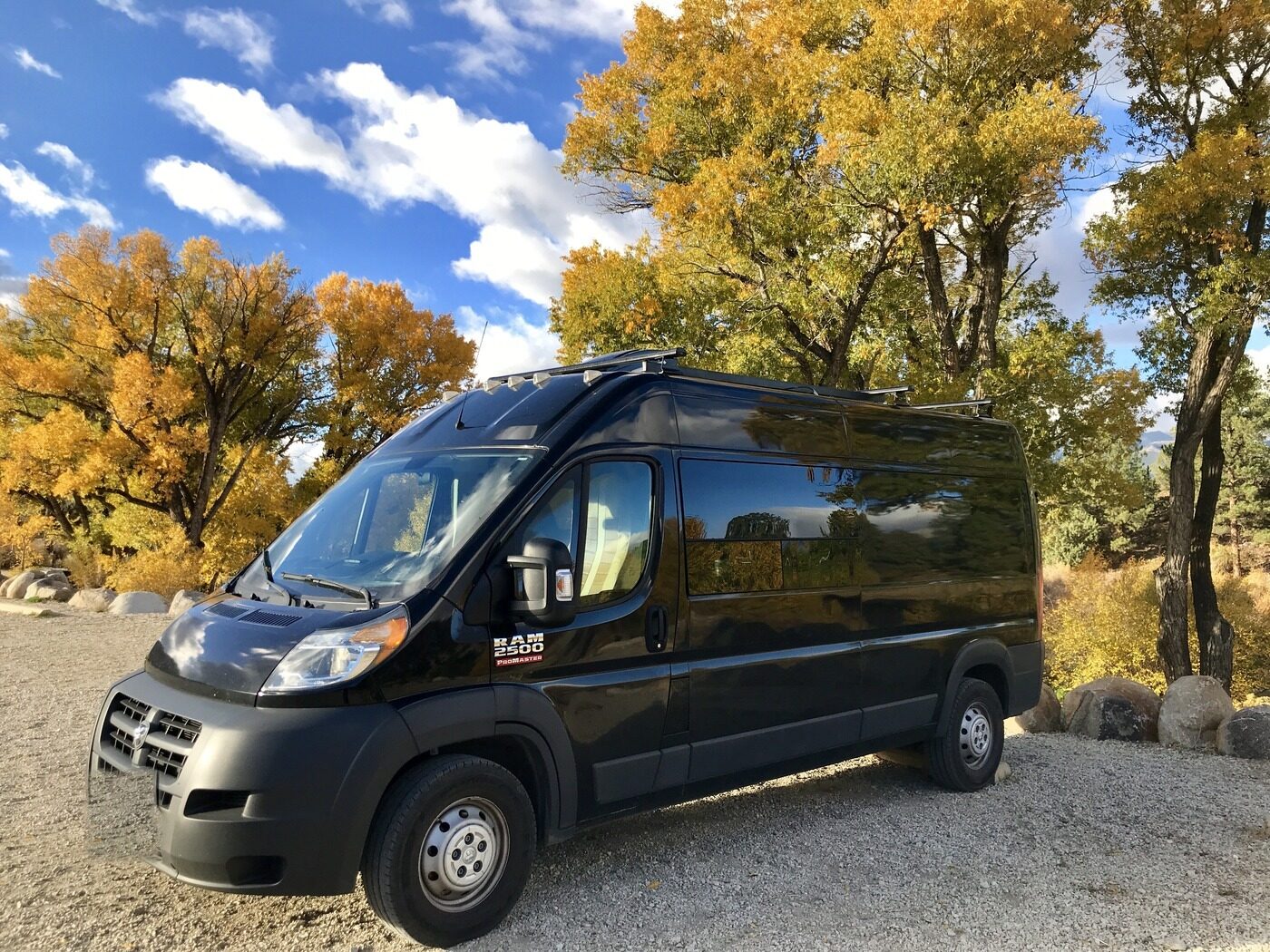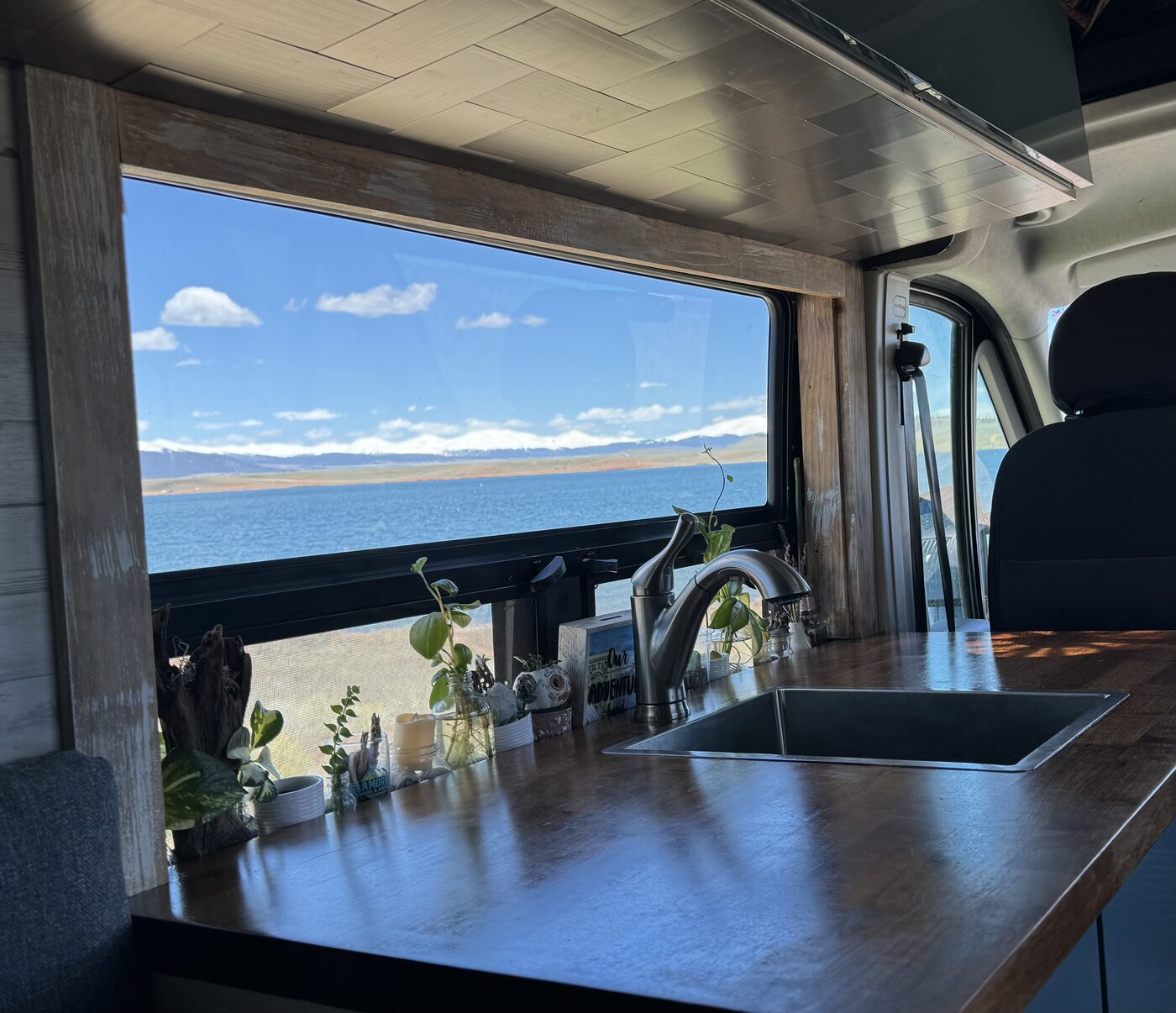
There’s a version of this life that looks spontaneous from the outside.
The van. The one-way ticket. The season abroad.
It can appear impulsive, untethered, almost reckless.
What most people don’t see is the structure underneath it.
Movement that lasts isn’t accidental. It’s designed.
The decision that changed the math
We didn’t buy a van because we loved the aesthetic. We bought it because we looked at our monthly expenses and understood, clearly, that the way we were living was making almost every other choice harder.
Rent. Utilities. The slow accumulation of stuff that required space that required money. We were financing a life that didn’t quite fit, and the cost of that misfit was showing up everywhere: in stress, in limitation, in the feeling that we were always one unexpected expense away from the plan falling apart.
So we changed the structure.
Living in seventy square feet dramatically reduced our overhead. Our fixed expenses dropped. We weren’t earning dramatically more; we just needed dramatically less. That shift did two things that compounded over time: it allowed us to get out of debt, and it allowed us to save.
Lower overhead created margin, margin created options, and options created mobility.
That’s the part rarely highlighted in the romantic version of van life. It was never about minimalism as identity. It was about restructuring our financial baseline so that movement became sustainable instead of stressful.
When your life costs less, your choices expand.
Eight years of iteration
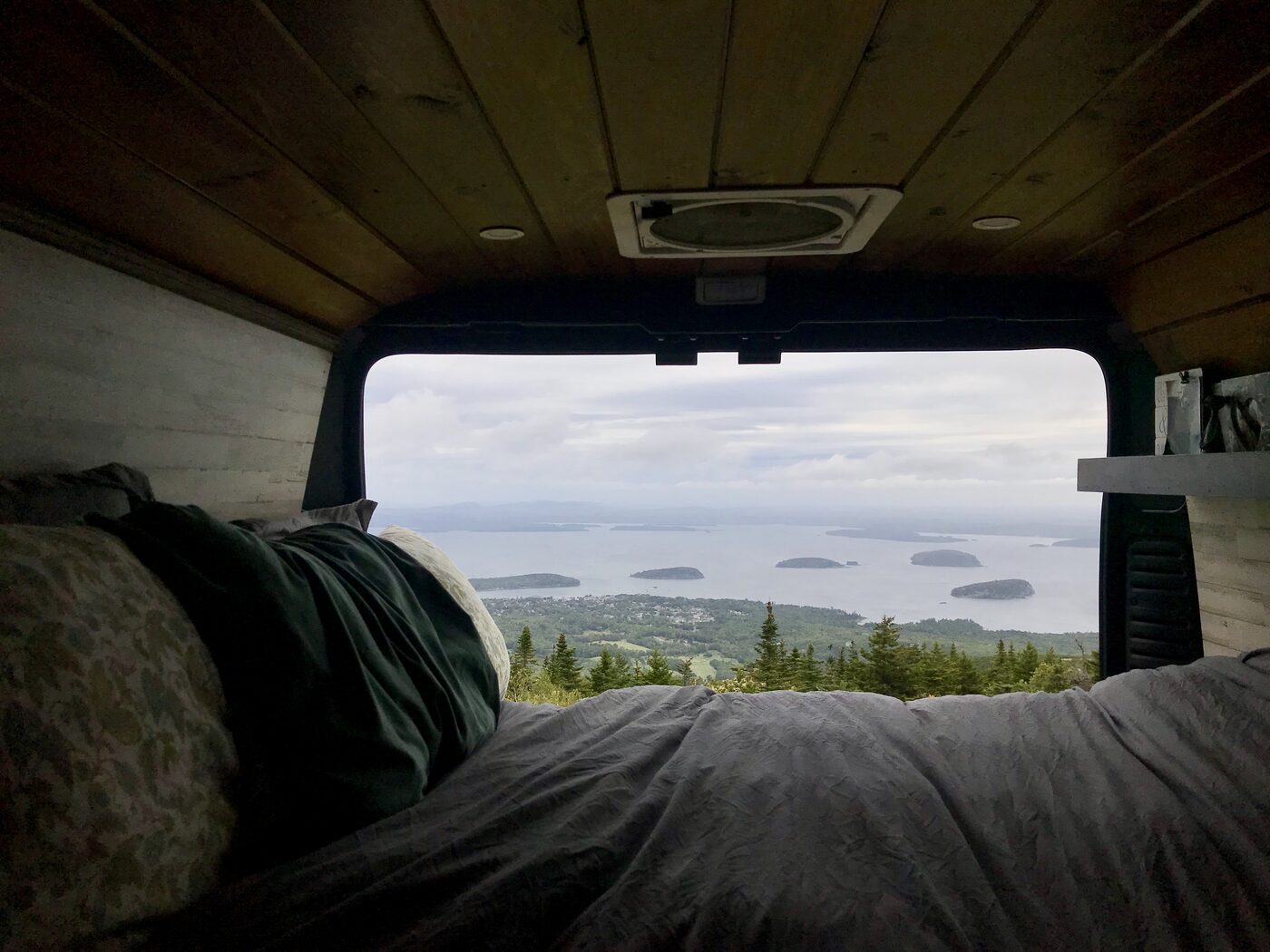
What we learned over eight years on the road was more than how to live small. It was how to design a life that could keep moving without falling apart.
The first year was exciting and inefficient. We overcomplicated things, overpacked, overspent on convenience. We learned what we actually needed versus what we thought we needed, and the gap between those two things was larger than expected.
By year three, we had systems, a rhythm, a budget we trusted. We knew which decisions were worth optimizing and which ones we’d been overthinking.
By year seven, the design had become second nature. Not because it got easier (the road always finds new ways to test you) but because we’d built enough experience to respond instead of react.
The van gave us more than freedom. It gave us an eight-year education in what sustainable mobility actually requires.
When the design expanded
After years of domestic road life, we took what we’d learned and tested it at a different scale.
Eight months in Southeast Asia required the same principles, just applied in a new context: different currency, different infrastructure, different daily cost baseline. But the underlying design was familiar: know your numbers, reduce fixed costs, build in flexibility, move intentionally.
The daily cost of living in parts of Southeast Asia is a fraction of what it costs in the United States. That’s not a secret. But what that difference actually enables, once you’ve built the habits and systems to manage it, is genuine long-term mobility without financial panic.
Van life built the muscle. International travel put it to work in harder conditions.

The practical architecture
Here’s what the design actually looks like, stripped of romance:
- Know your actual monthly number, not the aspirational one
- Reduce fixed expenses before increasing risk or distance
- Experiment in shorter windows before committing to longer ones
- Build savings into the design from the beginning, not as an afterthought
- Align fully in partnership before making structural shifts; misalignment compounds fast in small spaces
- Accept that stability and mobility are not opposites; they require different kinds of intention
Most people assume freedom means removing structure. In our experience, the opposite is true. Freedom grows inside structure. The more honest you are about your needs, your limits, and your values, the more sustainable your movement becomes.
The goal isn’t to escape your life. It’s to design one worth moving through.
You don’t have to buy a van, quit your job, or leave the country.
But if you want more flexibility in your life, more room to move, more options when the path changes, the work starts with the structure you build at home.
Slowly, thoughtfully, responsibly.
Because a life that can move is built, not stumbled into.