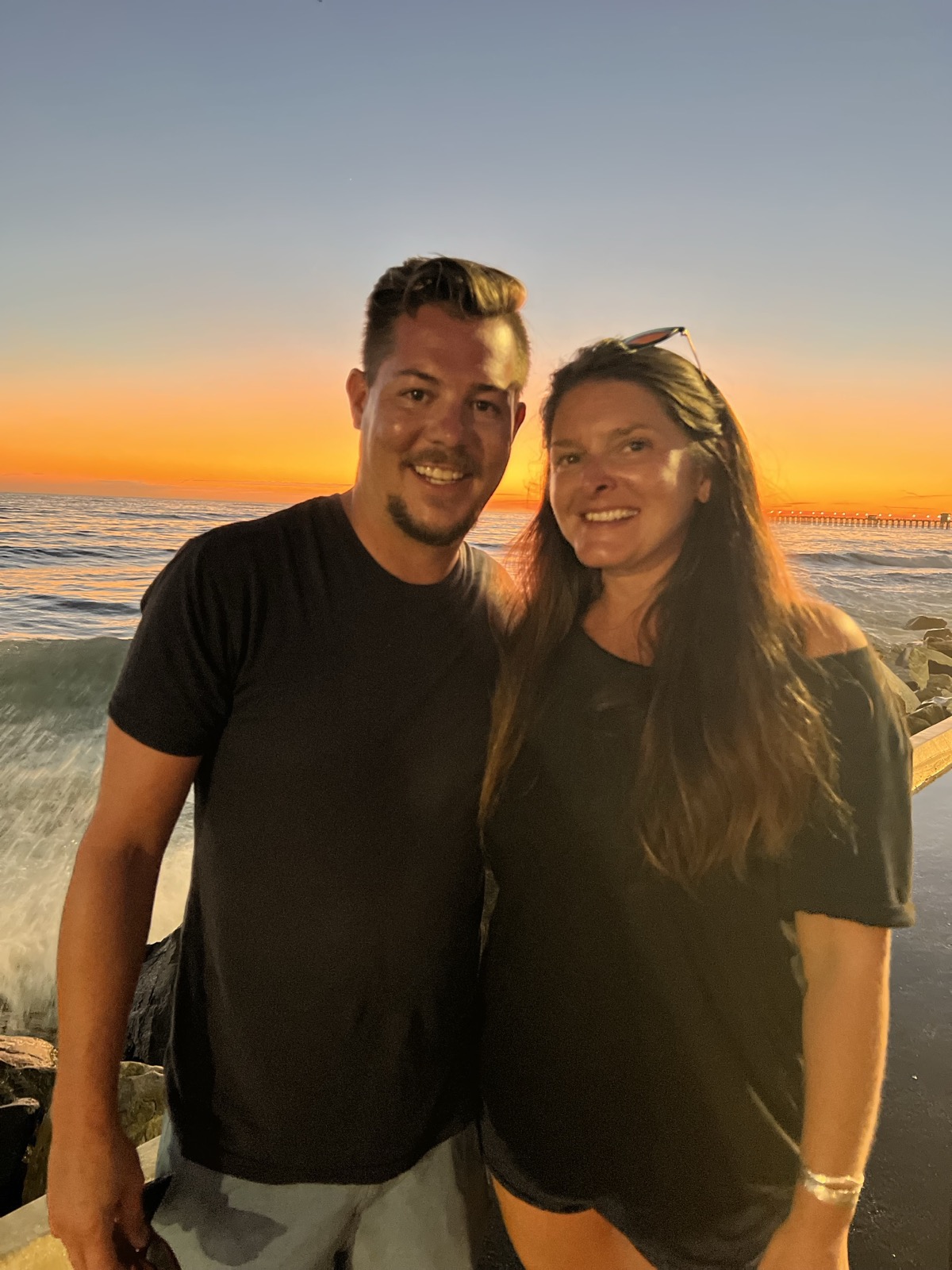
The first thing you notice isn’t the view.
It’s the feeling.
The silence of a desert highway at four in the morning, nothing but headlights and open road and the low hum of an engine that has carried you across eleven states. The weight of humidity pressing against your skin the first time you step off a plane in Southeast Asia. The cold, clean air of a mountain pass you didn’t know existed until the map ran out of road.
Travel doesn’t announce that it’s changing you. It just begins.
And if you keep moving long enough, you start to notice what it’s doing beneath the surface.
The early years
Before we built a life together, we both traveled independently, and we each learned the same thing: movement clarifies.
We each backpacked through Europe in our early twenties. Jesse spent time in South Africa. Karlee spent five seasons living on the island of St. John in the Caribbean. Back then, travel felt electric, spontaneous, untethered. You said yes quickly, adjusted plans constantly, and trusted that things would work out because they always seemed to.
Growth felt accidental. Which was exactly right for that season.
You didn’t need a framework, you needed exposure. To sit in a train compartment with strangers who didn’t speak your language and figure out how to make each other laugh anyway. To be lost in a city at dusk with an empty stomach and no plan, and discover you were more resourceful than you’d given yourself credit for.
Those years didn’t hand us an identity. They handed us evidence: that we could handle more than we thought, that the world was larger and kinder than the news suggested, and that the person you become in motion is often more honest than the one you maintain at home.
Eight years on wheels
Then came the van.
What started as a practical decision (lower overhead, more freedom, a way to stop paying rent on a life that didn’t quite fit) became something we didn’t expect: less a lifestyle than a laboratory.
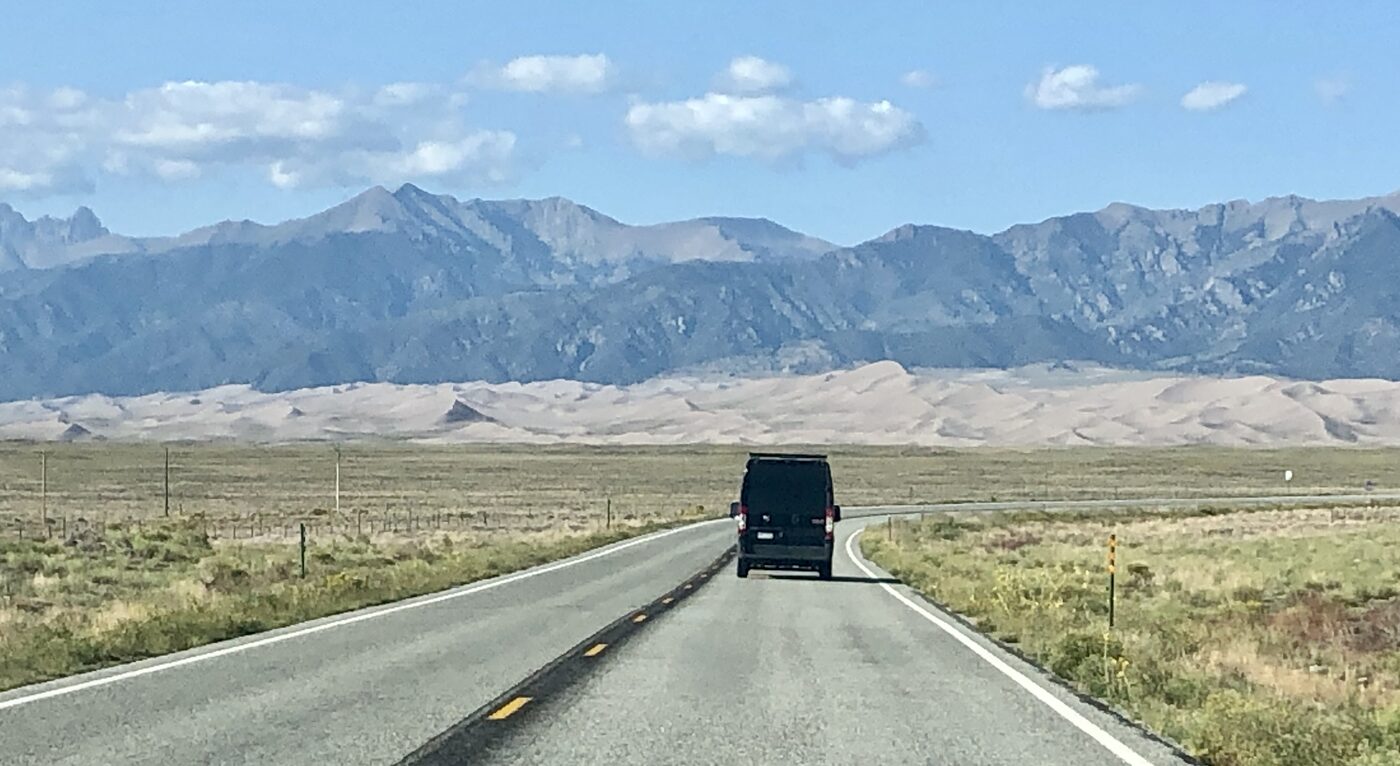
Living in seventy square feet across all forty-eight continental states over eight years teaches you about more than America. It teaches you about yourself in a way that’s difficult to access any other way. There’s no spare room for avoidance. When the van won’t start in the middle of the Mojave, you problem-solve. When a week of straight clouds and rain rolls in off the Gulf at Santa Rosa Beach, hot and muggy with no relief and the generator acting up, you regulate. When the road stretches long and uncertain through eastern Montana with nothing but sky and doubt, you choose, again, to stay aligned with each other and with the decision you made.
We watched the seasons change across every type of American landscape. We met people on BLM land at the edge of nowhere, in parking lots of small-town diners, at roadside pull-offs where someone stopped because they recognized the look of people figuring something out, and handed us something without realizing it: a perspective, a recommendation, a reminder of how differently people build a life and how equally valid those lives can be.
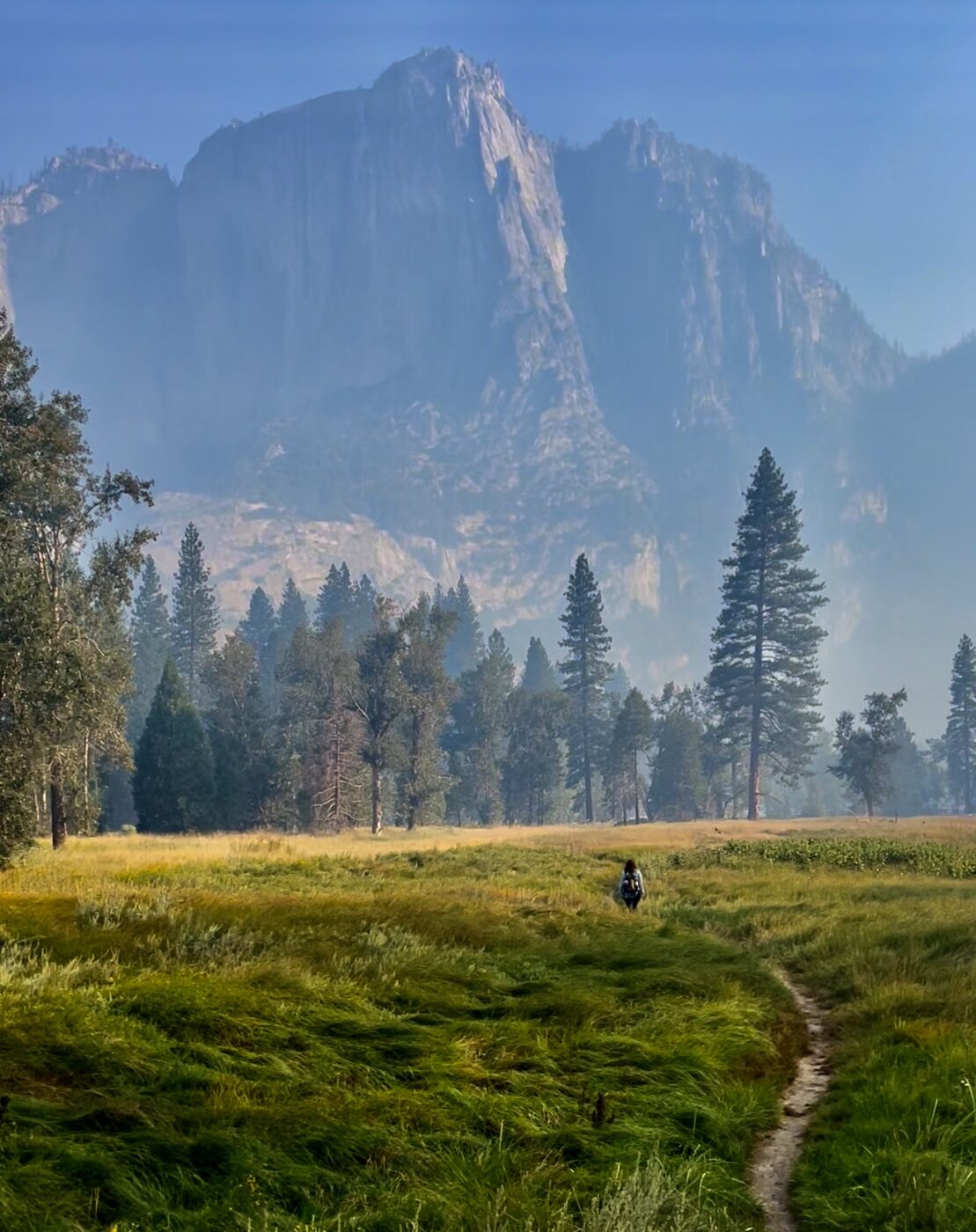
The road showed us more than the country. It showed us our edges.
Our impatience when plans unraveled. Our capacity for discomfort when we leaned into it instead of against it. The places we were soft and the places we were stronger than we’d known. Van life pressed on all of it.
What it looks like now
After a decade together, with van life across the continent, eight months moving slowly through Southeast Asia, and years of independent travel before any of it, growth feels different than it did at twenty-three.
Slower, more deliberate, more integrated.
We’re not traveling to prove anything anymore. We’re traveling to understand.
Sitting at a small table on a quiet street in Hanoi, watching motorbikes move like a current around us, a grandmother passing soup to her grandson across a low table. Years ago, one of us would have been thinking about the next stop. Instead, we were completely still inside the movement. That stillness wasn’t there before. It took years of miles to build it.
Travel made us braver, but it also made us more patient, more curious, more willing to sit with discomfort instead of solving it immediately.
It exposed our edges and softened them.
What this taught us, practically
- We prioritize slow stays over rapid movement: depth over distance
- We budget intentionally for rest, not just experiences
- We choose neighborhoods over highlight districts whenever possible
- We build in recovery time instead of pushing through exhaustion
- We’ve learned that the place matters less than the pace you bring to it
Travel doesn’t hand you a new identity. It refines the one you already carry.
It strips away what isn’t essential, tests your partnership, strengthens your independence, and teaches you how to witness the world without needing to conquer it.
After all these miles (the European backpacking years, the Caribbean island, the van and the open American road, Southeast Asia) what feels clearest is this:
Travel hasn’t made us different people. It has made us more fully ourselves.
There was a travel commercial years ago with a line in it we’ve never been able to shake: everything we are is because of everywhere we have been. It reads like a slogan until you’ve gone far enough, and stayed long enough, to feel it land.