Somewhere along the way, a story gets told about who travel is for.
It’s for the gap year, the post-graduation backpack, the semester abroad, the summer before real life begins.
It’s for before.
Before the mortgage and the relationship and the career and the kids, before everything that apparently makes movement irresponsible.
And then, eventually, it’s for after. After the career is built and the kids are raised and the money is finally saved. After you’ve earned it.
Which leaves the middle. Decades of it.
We get groomed for that deal early. Your most capable, most vibrant, most physically willing years belong to work, and if you spend them correctly you might come out the far end with enough money and enough health left over to go do the things you wanted to do at thirty. Nobody says it to you out loud. Everybody signs it anyway.
Those in-between years are not a waiting room. They are the most alive stretch most of us get, and they hold a lot more than earning potential.
We’ve been living inside the contradiction of that story for years. And we want to say clearly: it isn’t true.
What we were told, and what we found instead
We bought our van before van life had a hashtag. Before the Pinterest boards and the YouTube channels and the algorithmic feeds full of perfectly converted Sprinters with string lights and pour-over coffee. There was no roadmap for what we were doing: no community of thousands doing it alongside us, no influencers making it look achievable. We were figuring it out largely on our own, which meant the decision felt bigger and the uncertainty felt louder.
What we got instead was the quiet version of the question everyone was thinking: when are you going to settle down?
We chose to keep asking a different question: settle into what, exactly?
Eight years later, forty-eight states covered, eight months in Southeast Asia behind us, we can say with some authority that travel in your thirties and forties is not a consolation prize for people who didn’t do it when they were young. It is its own thing entirely. Different in texture and depth, different in what it offers and what it asks of you.
And in many ways, better.
What changes, honestly
We’re not going to pretend nothing changes. Things do.
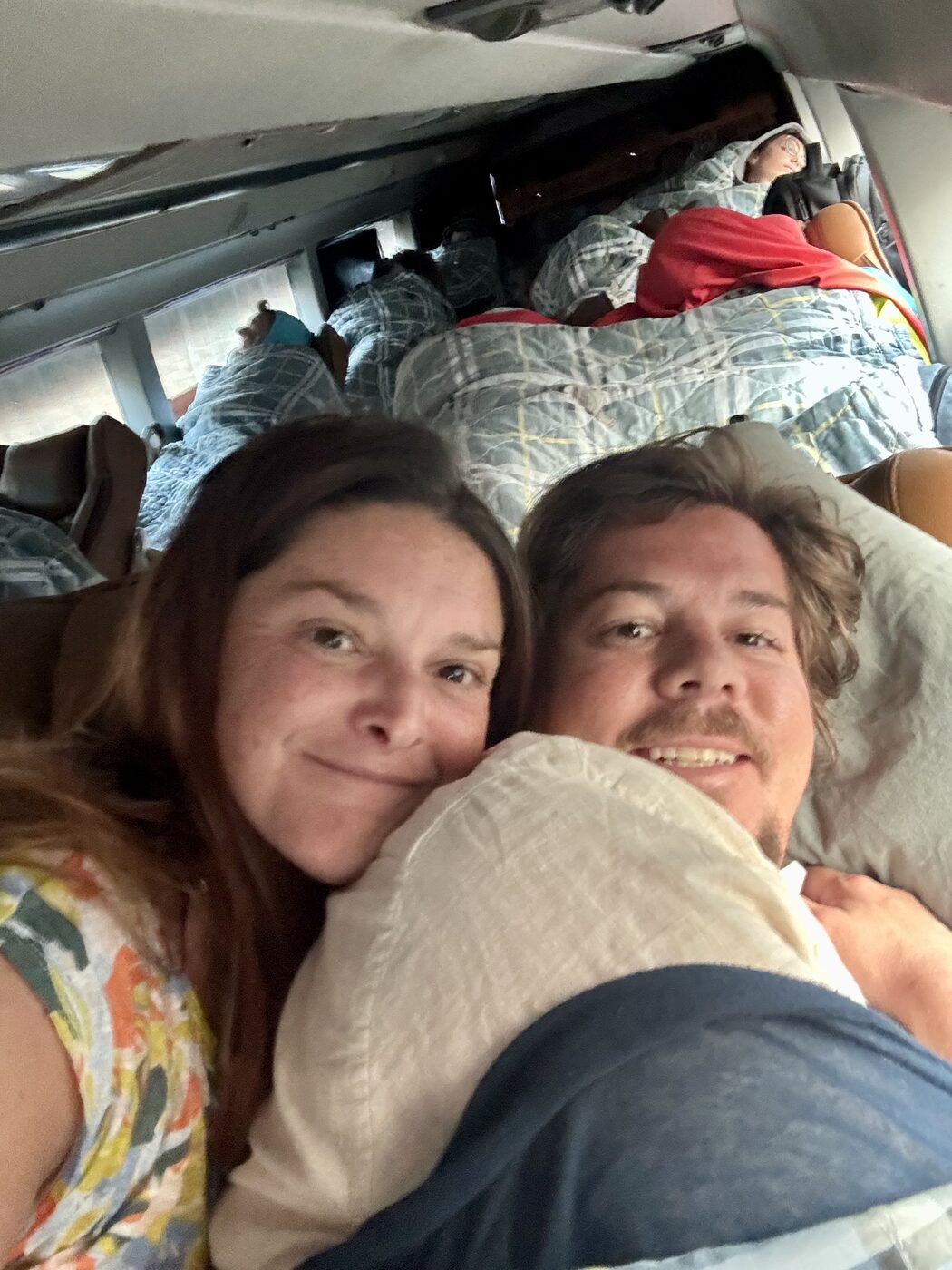
Recovery takes longer. You care more about sleep than you used to. The idea of a twenty-seven-hour bus ride on mountain roads in northern Laos lands differently at thirty-five than it did at twenty-two. We did it anyway, and it remains one of the more formative experiences of our traveling lives.
You have more responsibilities to account for. More people who depend on you, or who at least have opinions about your choices. The financial stakes feel higher because they often are.
Planning matters more. Spontaneity is still possible, but it requires a more intentional container. You can’t just vanish for three months without building the systems that allow it.
None of this is an argument against going. It’s an argument for going differently.
What gets better
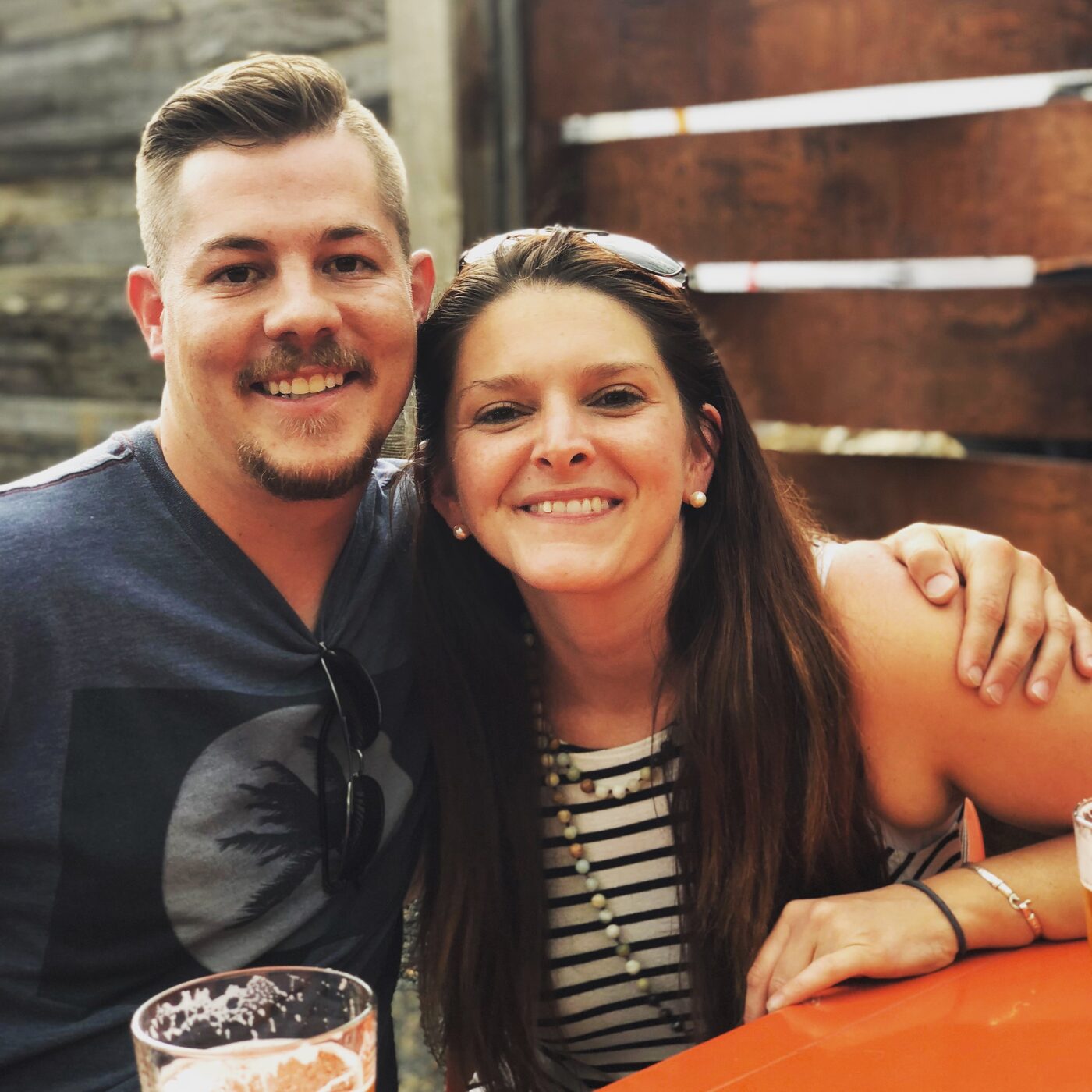
You know yourself better. That alone changes everything.
At twenty-two, travel is partly about finding out who you are. At thirty-five, you have a clearer sense of that, which means you can be more deliberate about what you’re looking for. You’re less likely to fill every hour because you’re afraid of missing something, and more likely to stay somewhere an extra week because the rhythm feels right.
You’re a better traveler in the practical sense too. You’ve made enough mistakes to have genuine judgment. You know what comfort you actually need versus what you thought you needed. You know how to move through friction without it ruining the day.
And perhaps most importantly: you have more to bring to the experience. The grandmother passing soup to her grandson in Hanoi lands differently when you’ve watched your own family age. The kindness of a stranger who stops on a back road in Utah because your van looks like it’s having a bad day means something different when you’ve been the stranger enough times to know what it costs to offer it.
Experience doesn’t diminish travel. It deepens it.
Travel in your thirties and forties isn’t the same as travel at twenty-two. It’s not supposed to be. It’s supposed to be its own thing, and it is.
The permission question
The most common thing we hear from people in their thirties and forties isn’t “I can’t afford it” or “I don’t have time.”
It’s “I feel like I should have figured this out by now.”
Like the window closed. Like movement was something you were supposed to get out of your system before life got serious, and if you didn’t, you missed it.
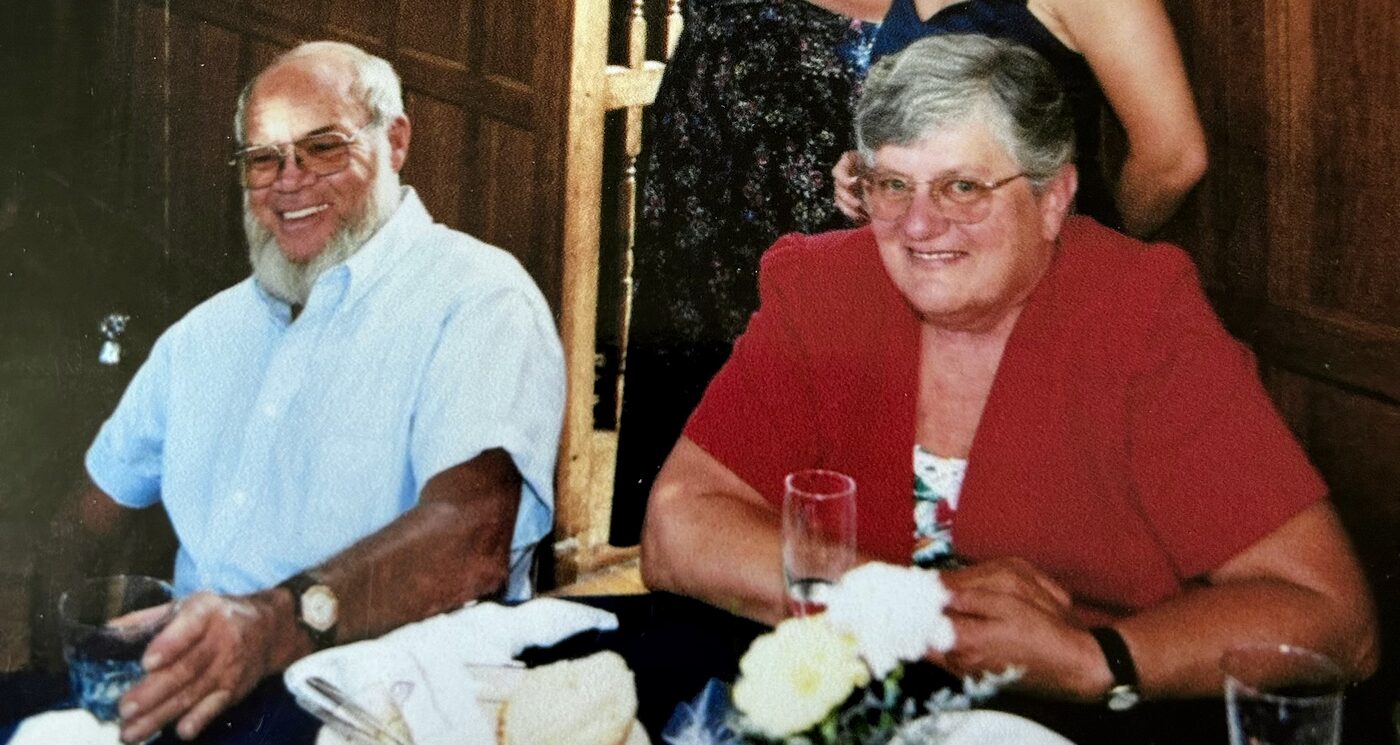
Karlee’s grandparents taught her the cost of that belief. They had the plan. The camper. The list of places they were going to see when the time was finally right. The time was never right. The trip never happened.
That story lives in a lot of families. It lives in a lot of people who are reading this right now.
You are not too old. You have not missed the window. The window is not a window. It’s a door, and it opens from the inside.
What this looks like practically
- Travel in seasons rather than waiting for a permanent version of freedom
- Build the financial structure first; freedom expands when the numbers are honest
- Design for your actual energy, not the energy you had at twenty-two
- Accept that some things cost more now, and that some of those costs are worth it
- Stop measuring this version of adventure against a previous one
- The skills you’ve built (patience, resourcefulness, discernment) make you a better traveler than you were before
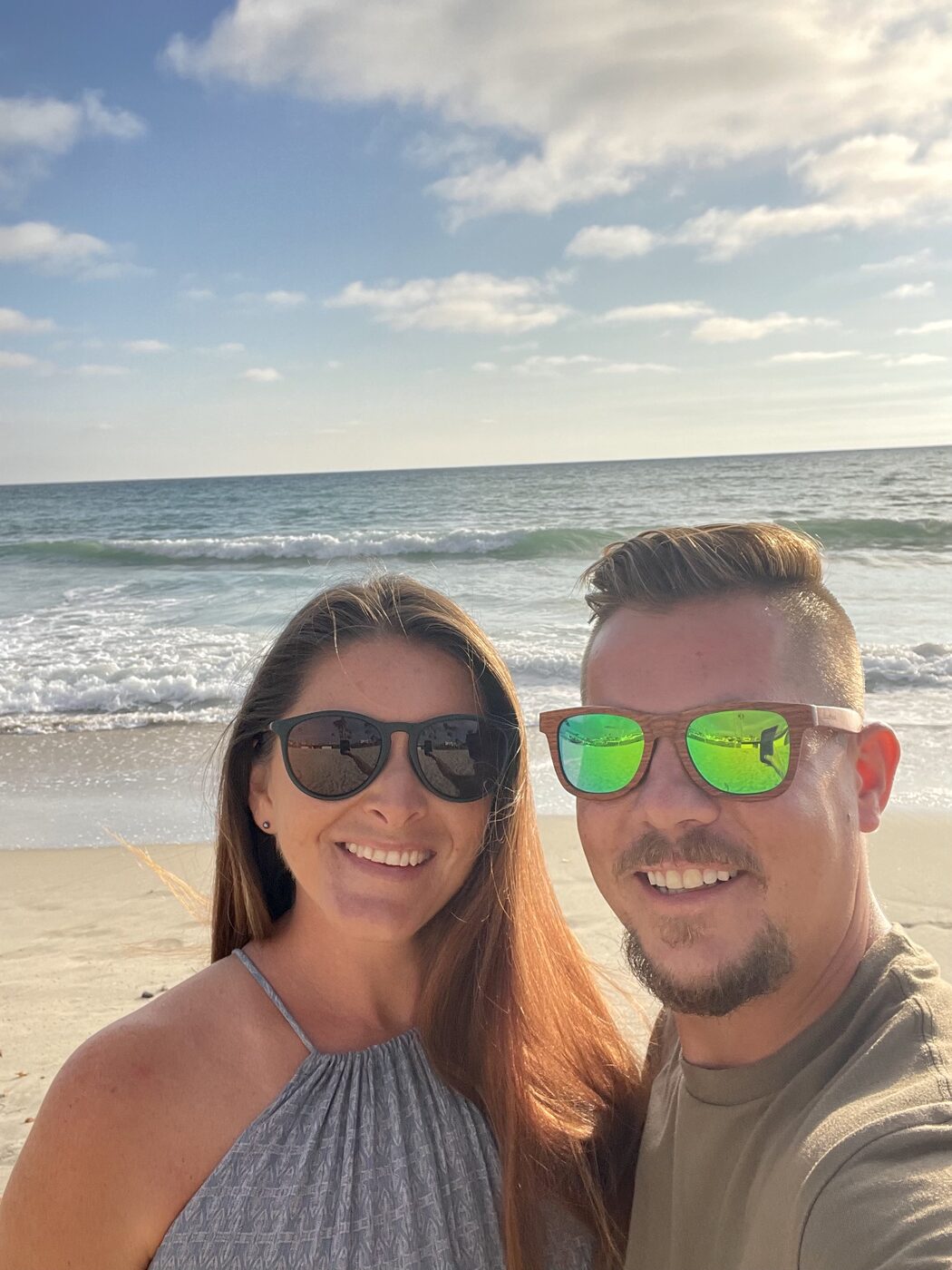
We’re not writing this from the other side of some finish line. We’re writing it from inside the doing of it, from a life that is still in motion, still being designed, still asking us to choose it again and again.
And we’re writing it because we spent too long wondering if we were allowed.
You are allowed.
The miles don’t check your age at the door. They just ask whether you’re willing to show up.
There is no age limit on curiosity.