I’ve been asked some version of this question more times than I can count.
Not always directly. Sometimes it comes dressed as concern. Shouldn’t you be saving more? Don’t you want to settle down? Isn’t it time to be practical? Sometimes it’s just a look: the slight pause when you mention you’re leaving again, the careful neutrality of someone who thinks you’re making a mistake but has decided not to say so out loud.
The question underneath all of it is the same: at some point, doesn’t this become irresponsible?
I used to feel the need to defend the choice. To explain the finances, justify the timeline, prove that we’d thought it through. To earn the right to live the way we were already living.
I don’t do that anymore. Because I’ve come to believe the question is aimed at the wrong person.

THE QUESTION NOBODY’S ASKING
Here’s what I want to ask back:
Is it irresponsible not to?
Not recklessly or without thought, but deliberately, with full awareness of what you’re choosing and what you’re trading: is it irresponsible to keep deferring the life you actually want?
Because there’s a cost to waiting that nobody puts on the spreadsheet. It doesn’t show up in your savings account or your retirement projections. It accumulates quietly, in the form of weeks that blur into months, in the slow narrowing of what feels possible, in the plans you keep moving to later until later stops being a real place.
We talk about financial irresponsibility constantly. We almost never talk about the other kind.
THE CAMPER THAT NEVER HAPPENED
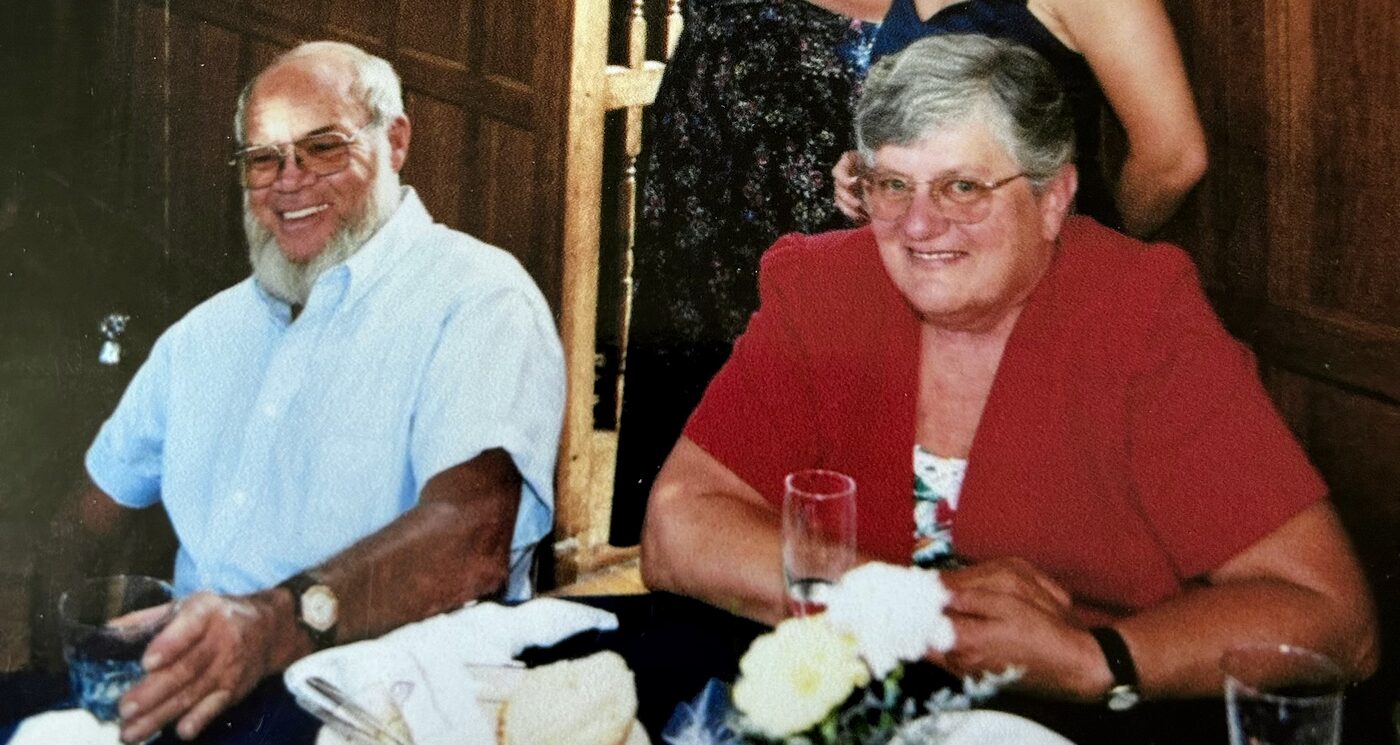
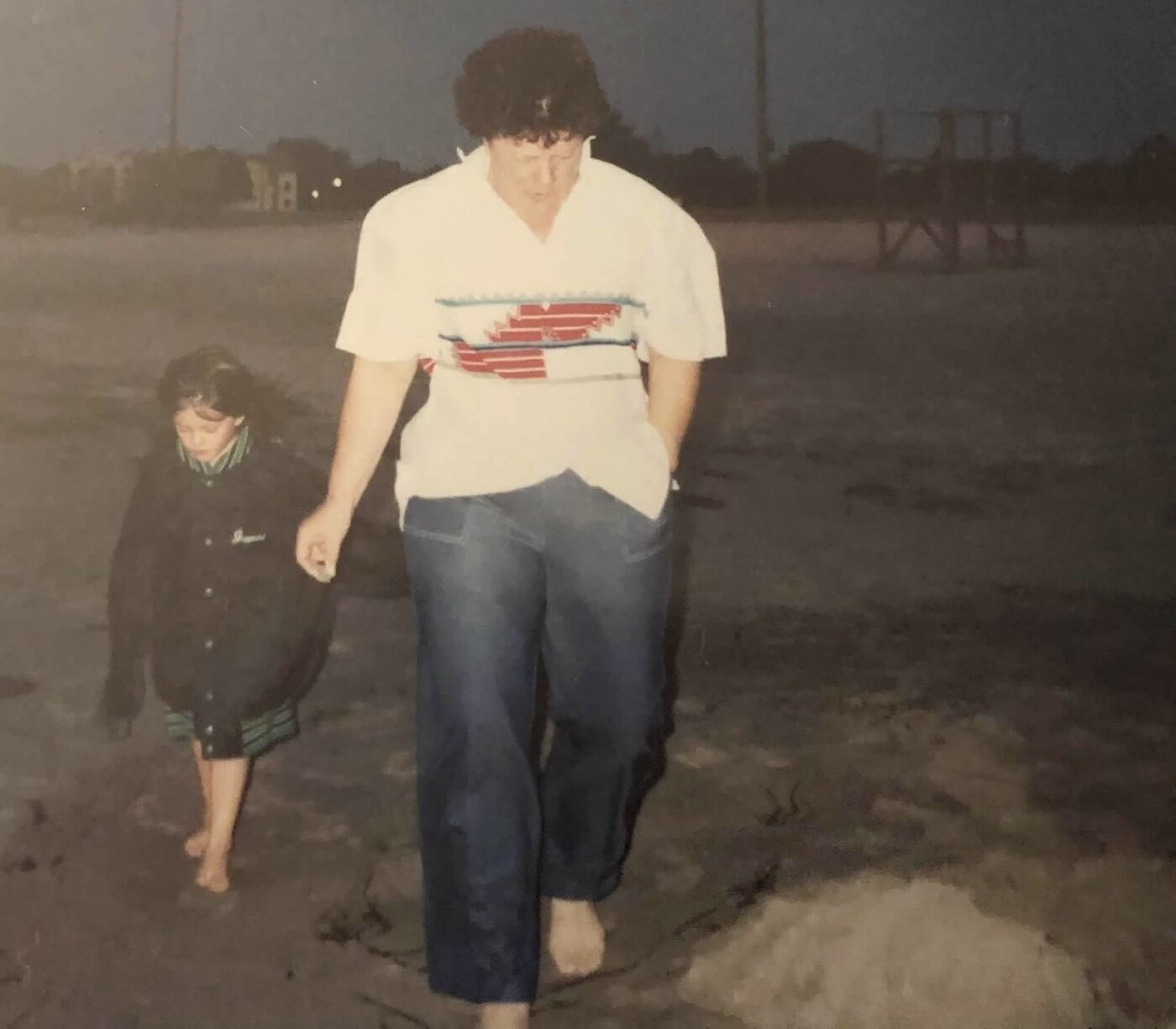
I grew up with a single mother, two houses down from my grandparents in upstate New York. Two houses. Not across town, not a Sunday visit. Two houses. My grandmother was my second mother in every way that mattered.
I can still see her clearly. Short hair, glasses, usually with the Persian cats she raised or in the crafting room that took up half the house, always full, always mid-project, always hers. She was fierce in the way certain women are fierce, loving and opinionated and completely unapologetic about both. She spoke her mind, always. You knew exactly where you stood with her, and somehow that made you feel safer, not less.
My grandfather was her opposite in the quietest way. Scruffy, usually elbow-deep in a car or a motorcycle, not a man who needed many words. But he had a heart that made up for every one he didn’t say. I remember sitting on the kitchen table with him as a kid, the two of us eating ice cream straight out of the carton. No bowls, no occasion. Just him and me and the carton between us. That was enough for him. That was everything, actually.
Half the family had moved to Colorado by then. And for as long as I can remember, my grandparents had a plan. Work hard. Save carefully. Retire well. Then buy the camper: travel the country, move freely between the people they loved, finally have time to live. They wanted to see the places they’d only read about. They wanted to pull into a Colorado driveway without it being a whole production. They wanted the freedom to just go.
Retirement was when life would begin.
I was sixteen when my grandmother got sick.
At first they told her it was something minor, and she was treated for the wrong thing. Months passed. By the time anyone looked closer, by the time the real diagnosis came, it had already gone too far to stop.
I didn’t know how to handle any of it. I was sixteen. I went to school, I went to work, and I went to her. That was all I knew how to do. Just show up and be near her, because being near her had always been enough before, and I didn’t have anything else to offer.
She passed away before the camper ever happened. And after that, my grandfather was never quite the same. I watched decades of careful planning fail to guarantee more time. I watched the misdiagnosis steal the window. I watched the camper that never happened become the symbol of everything they’d saved for and never got to spend.
It was the hardest season of my life. And it reshaped me permanently.
There is no guarantee of later. That truth isn’t morbid. It’s clarifying.
It doesn’t mean spend everything and plan nothing. It means the version of responsibility that requires you to postpone living indefinitely isn’t actually responsible. It’s just familiar.
WE MADE THE VAN DECISION IN OUR 30S
This is worth saying plainly, because it cuts against the story people tell about who gets to do this.
We didn’t move into the van at 22, fresh out of college with no obligations and nothing to lose. We made that decision as adults, with full awareness of what it cost and what it gave back. Eight years of van life. All 48 continental states. A life built deliberately, not impulsively.
Then Southeast Asia. Eight months of slow travel through Thailand, Vietnam, Laos, Cambodia, Malaysia, Singapore, Indonesia, and the Philippines. Not a gap year or a crisis, but a conscious extension of a life we’d been building for years.
None of it happened because we were young enough not to know better. It happened because we were old enough to know exactly what we were choosing, and to choose it anyway.
There is no right age for this. There is only the age you are and the decision in front of you.
RESPONSIBILITY AND FEAR ARE NOT THE SAME THING
This is the distinction that matters most, and it almost never gets made.
There is real financial responsibility: building a safety net, managing debt thoughtfully, making decisions you can actually sustain. We believe in all of that. We’ve written about it. We’ve lived it.
And then there is financial fear dressed up as responsibility: the anxiety that no number in a savings account will ever feel like enough, that any money spent on living your life is money you should have kept, that security is something you approach but never actually reach.
One of those is wisdom. The other is paralysis wearing responsible clothing.
The question isn’t whether you can afford to travel. For most people genuinely asking this question, the answer, when they actually run the numbers, is yes, with planning. The real question is whether you’ve given yourself permission to want it.
That permission doesn’t come from a financial milestone. It comes from a decision.
WHAT STAYING COSTS YOU
We talk endlessly about the cost of going. We almost never talk about the cost of staying.
Staying, out of hesitation or habit or the low hum of what everyone expects, has a price too. It’s just paid in a different currency.
It’s paid in the version of yourself that doesn’t develop because the circumstances that would have shaped it never came, in the conversations you never had with strangers in places that weren’t home, in the way your sense of what’s possible slowly contracts when it isn’t regularly expanded.
It’s paid in the accumulating awareness that there were things you wanted and kept choosing not to pursue, until one day the wanting fades and you mistake the silence for contentment.
We’re not saying travel fixes everything. It doesn’t. We’ve never claimed that.
But we are saying that the cost of going is visible and the cost of staying is invisible, and invisible costs are the ones that catch you by surprise.
THE IRRESPONSIBILITY OF THE UNLIVED LIFE
My grandmother wasn’t irresponsible. She was careful and loving and fierce and devoted. She did everything right by the standards she’d been given.
She just believed, as so many of us are taught to believe, that living comes after. After the work is done, after the savings are full, after the obligations are met. After.
A misdiagnosis took the window. And the camper stayed parked.
What I carry from her isn’t resentment. It’s a lesson she gave me without meaning to, at a cost I would never have chosen for her. The lesson is this: the responsible thing and the safe thing are not always the same thing. Sometimes the most responsible choice you can make is to stop treating your life as a dress rehearsal.
Now I’m the one with the van, moving freely, crossing state lines, showing up to the people I love without it being a whole production. Seeing the country they wanted to see together.
I think about both of them when I drive. I have pieces of them with me the whole time: a blue plaid flannel that was my grandfather’s, a white sweater that was my grandmother’s. They ride along whether I planned on thinking about them that day or not.
You are not being irresponsible or reckless by choosing a life with movement in it. And you are not behind because you haven’t followed the script that was handed to you before you knew enough to question it.
What would be irresponsible is knowing what you want, having the means to pursue it, watching the window open, and choosing, year after year, to wait.
The camper never happened. The road is still here.
Go while you can.