There’s a version of trip planning that feels productive but quietly ruins the trip before it starts.
You know the one. The color-coded spreadsheet. The hourly itinerary. The ranked list of restaurants with backup options for each. Every museum pre-booked, every transfer timed to the minute, every day accounted for so thoroughly that the only thing left to do is execute the plan you made three months ago from your living room.
It feels responsible. It feels like you’re maximizing the trip. What it actually does is turn travel into logistics management, and close the door on everything that wasn’t already on the list.
The best things that have ever happened to us on the road were not on the list.
THE DAY WE MISSED THE BOAT
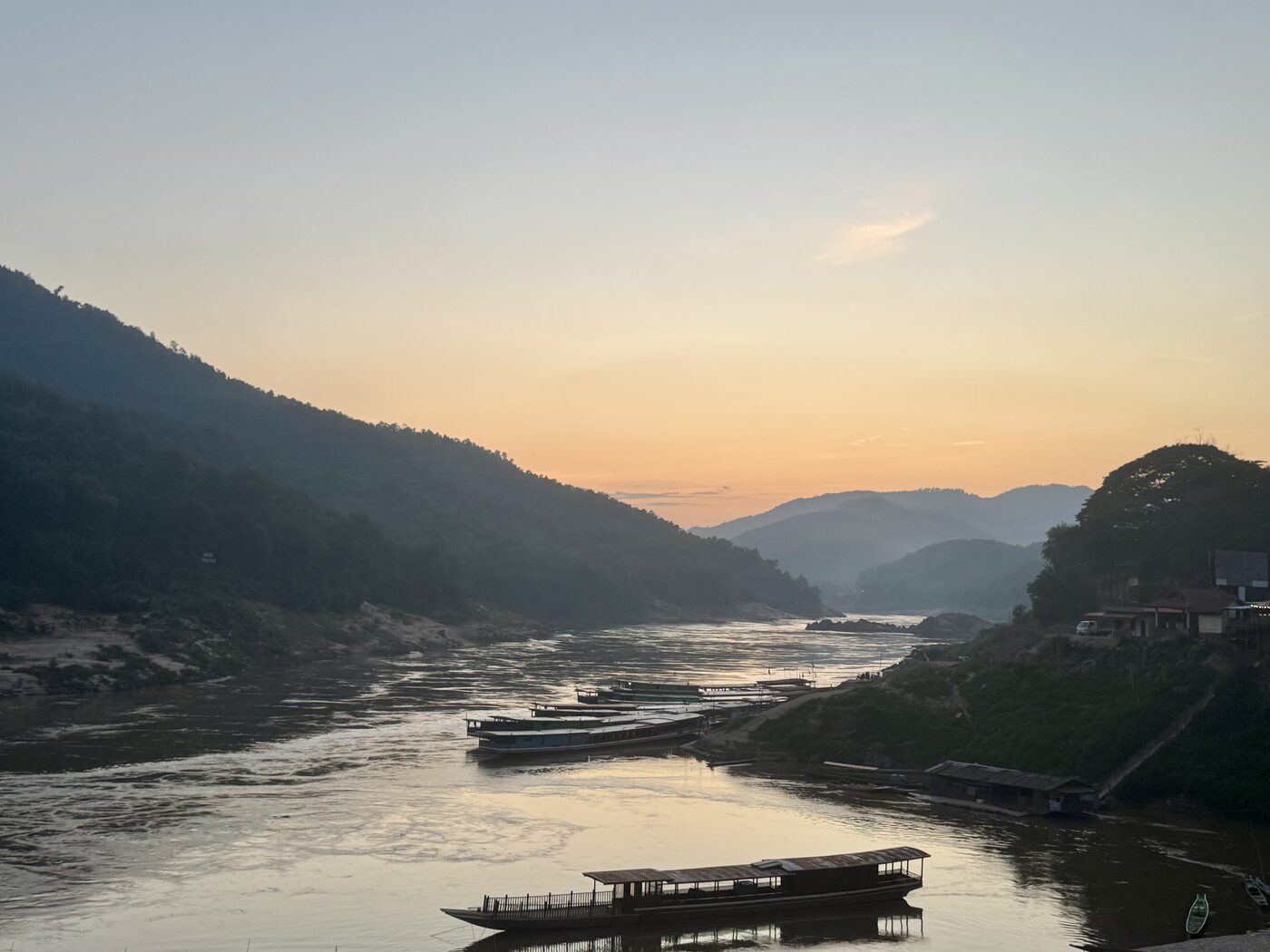
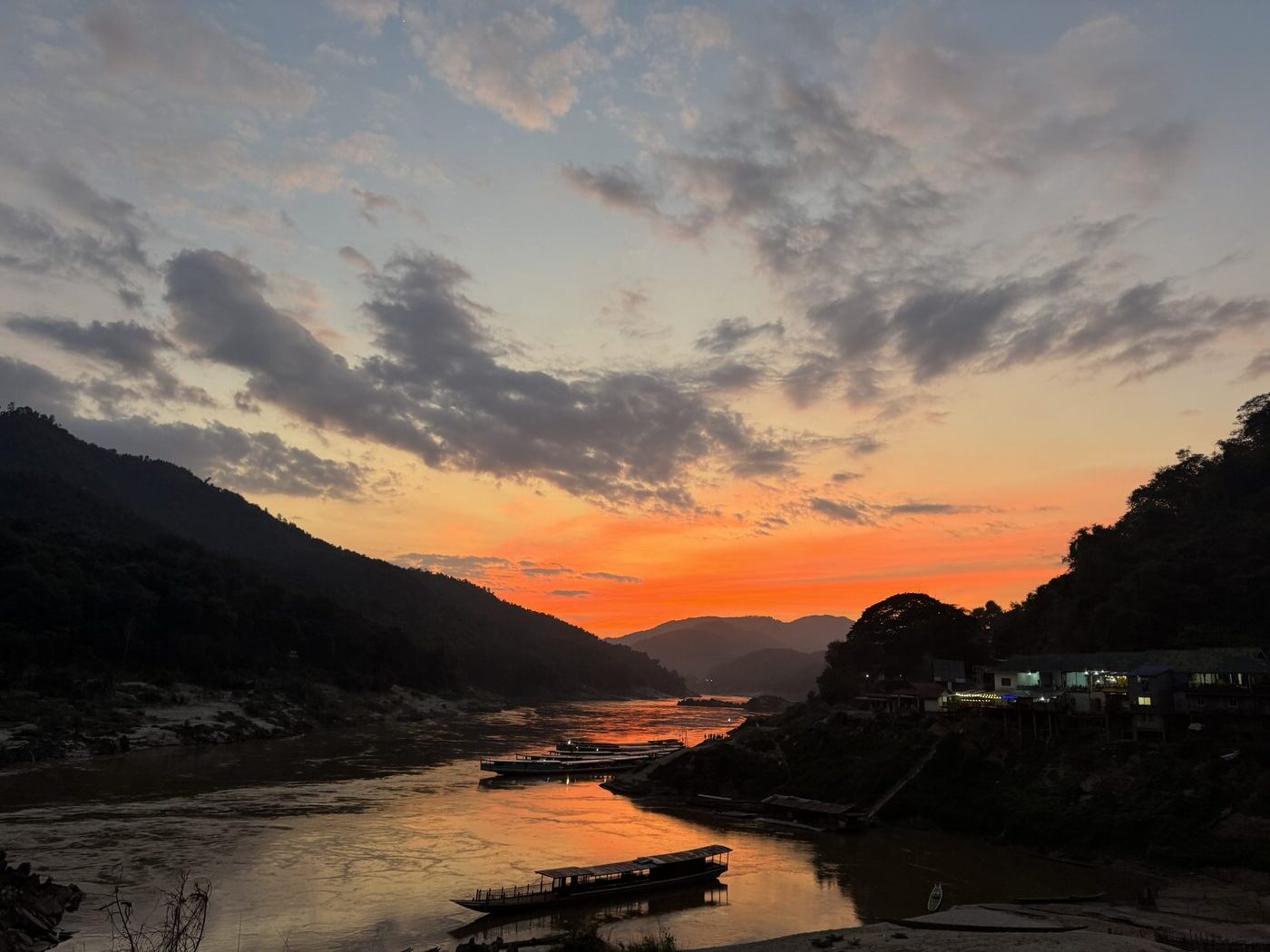
Somewhere on a slow river in northern Laos, we had a plan. A boat to catch. A schedule moving us forward through the region. Two people who had learned, over years of van life and slow travel, that the itinerary is a suggestion, but who still, occasionally, had to be reminded of that.
At the dock in Pakbeng, we met Vieng. He ran our guesthouse, spoke warmly and directly, and by the end of the evening had offered us something we hadn’t planned for: a day in his home village, an hour up into the hills. He wanted to show us where he grew up.
We looked at our schedule. We looked at each other.
We missed the boat.
What followed was one of the most genuine days of our entire eight months in Asia. His mother made lunch for the four of us, a careful, simple meal we still talk about. The village children went wild over the candy Vieng had suggested we bring. After lunch, the townspeople gathered. Rice wine appeared. More laughter than the language barrier should have allowed. Hours passed without anyone checking the time.
It did not stay that way. The last hours of that day took a turn we were not prepared for, and it’s the piece of the trip we’ve thought about most since. Karlee wrote the whole of it here: The River That Gave and Took.
None of that was in the plan. All of it is what we remember.
THE DIFFERENCE BETWEEN A FRAMEWORK AND AN ITINERARY
This is the distinction that changed how we travel, and it’s worth sitting with.
An itinerary tells you where you’ll be and what you’ll do at every point in the trip. It’s a schedule. It has the efficiency of a project plan and the flexibility of one too, which is to say, not much.
A framework is different. A framework says: here are the places I want to move through, here’s roughly how long I have, here are the two or three things I genuinely don’t want to miss. Everything else is open.
The framework gives you direction without giving you a script. You know you’re heading north. You know you want to spend time near water. Beyond that, you’re available.
Available to stay an extra two days because the place surprised you. Available to say yes when a stranger at a guesthouse invites you somewhere unexpected.
Eight years of van life taught us this before Southeast Asia confirmed it. We drove 48 states without a fixed route. The days that stand out from those years are almost never the ones we planned.
WHAT OVERPLANNING ACTUALLY COSTS YOU
We live in an age of immediate gratification. Everything is optimized, reviewed, ranked, and pre-decided before we even arrive somewhere. The phone is always in our hand. The next photo is already being composed before we’ve finished experiencing the moment we’re in.
Travel can fall into the same trap. When every hour is accounted for, your mind is always slightly ahead of where your body is. You’re at the temple thinking about the restaurant. You’re at the restaurant scrolling for the next day’s activities. You’re never quite where you are.
And when your week is locked, you can’t say yes to the things that don’t fit the schedule.
The best invitations arrive without warning. Vieng didn’t appear in any itinerary. The woman in Paris who took Karlee by the hand and walked her to someone who could help wasn’t on any list. The extra two days in Glacier because it was just that good weren’t planned.
The overplanned trip doesn’t just cost you presence. It costs you the trip itself. Travel isn’t a checklist of experiences to acquire. It’s a state of being available to the place, to the people, to whatever the day actually brings.
The hardest part isn’t planning less. It’s trusting that what shows up will be worth it.
It always has been for us.
HOW WE ACTUALLY PLAN
Book the first night only. Arriving somewhere new without accommodation sorted creates anxiety, not adventure. Book one night in advance so you can land without stress. After that, decide in person.
Identify your anchors. Every trip has two or three things we genuinely don’t want to miss. We book those in advance if they require it. Everything else stays open.
Build in nothing days. Deliberately. Not as overflow time or catch-up days, but as actual planned space. A day with no agenda is not a wasted day. It’s often where the trip happens.
Stay longer, go fewer places. Two weeks in three places beats two weeks in ten. You stop being a tourist and start being a temporary local. Vieng wouldn’t have found us if we’d been rushing through.
Give yourself permission to change the plan. Not just intellectually. Actually. The itinerary is not a commitment. The boat is not the only boat.
THE QUESTION WORTH ASKING BEFORE YOU PLAN
Before you open the spreadsheet or start building the day-by-day, ask yourself one question: what do I actually want to feel on this trip?
If the answer is present, unhurried, and open, then plan accordingly. Give yourself room. Build the framework and leave the rest to the road.
“I’m a big believer in winging it. I’m a big believer that you’re never going to find the perfect travel experience or the perfect meal without a constant willingness to experience a bad one. Letting the happy accident happen is what a lot of vacation itineraries miss.” — Anthony Bourdain
That’s not a travel style reserved for television hosts. It’s a decision available to anyone willing to hold the plan loosely enough that the trip can actually happen.
The road is better at this than you are. It has been doing it longer, and it knows things your spreadsheet doesn’t.
Vieng knew things your spreadsheet doesn’t.
Miss the boat occasionally. It’s usually worth it.